Implant Recovery Timeline: What to Expect
Implant Recovery Timeline: What to Expect
One of the most common questions patients ask Dr. Ahmed Nurein is: "How long does it take to recover from a dental implant?" The answer is more nuanced than a simple timeframe—implant recovery involves several distinct phases, each with its own timeline and expectations.
Understanding what to expect at each stage helps you prepare mentally and physically, manage your expectations, and follow post-operative care instructions that ensure optimal outcomes.
The Dental Implant Journey: An Overview
Dental implant treatment isn't a single procedure—it's a carefully orchestrated series of steps:
- Implant placement surgery (Day 1)
- Osseointegration (3-6 months)
- Abutment placement (6-9 months)
- Crown fabrication and placement (9-12 months)
Let's walk through each phase in detail.
Phase 1: Implant Placement Surgery (Day 1)
What Happens
During this procedure, Dr. Ahmed Nurein:
- Administers local anesthesia (and sedation if desired)
- Makes a small incision in the gum
- Carefully drills into the jawbone
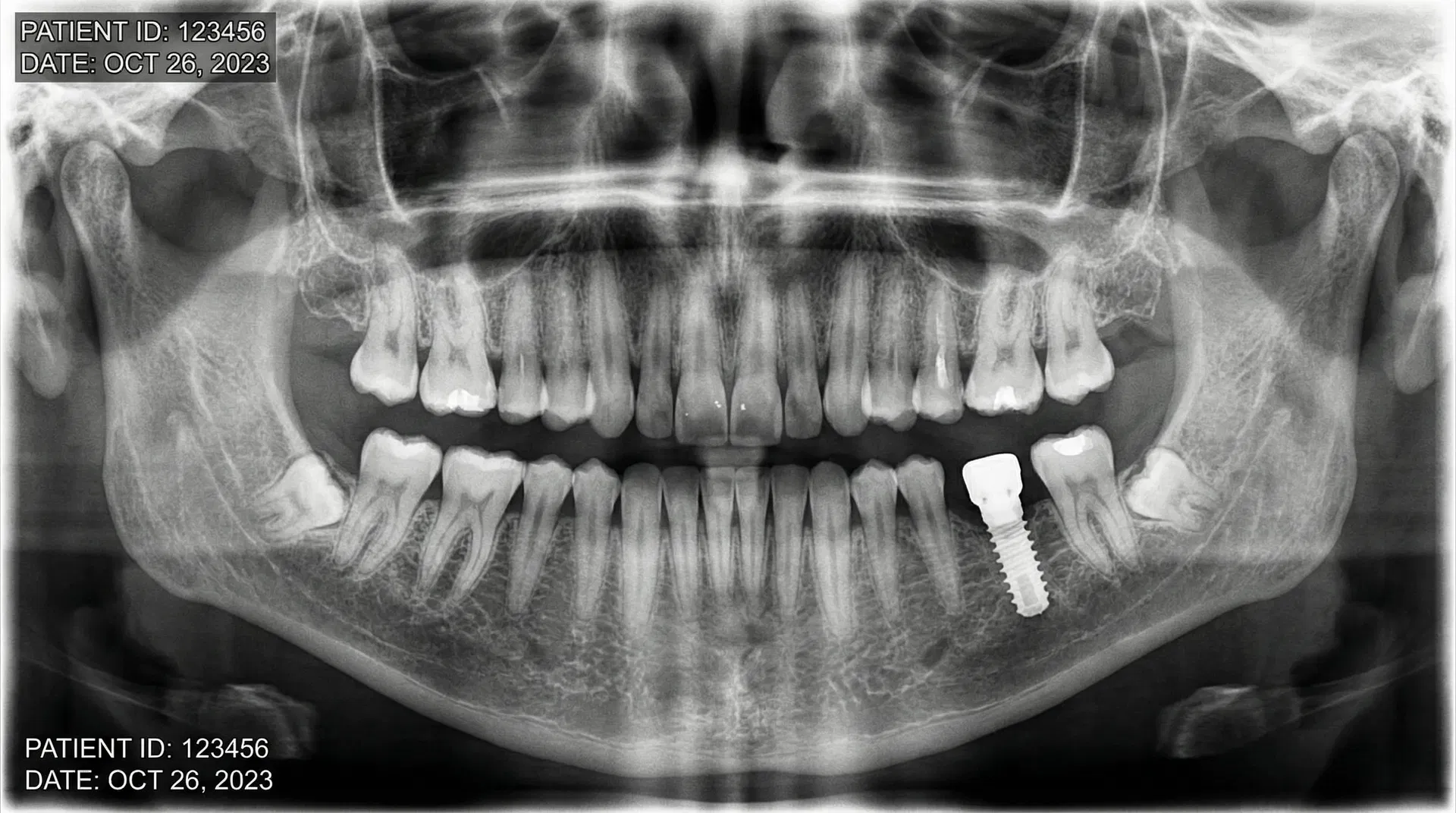
- Places the titanium implant into the bone
- Closes the gum with sutures
The entire procedure typically takes 30-60 minutes per implant.
Immediate Recovery (First 24 Hours)
Pain and Discomfort:
- Mild to moderate discomfort is normal
- Pain peaks at 24-48 hours, then gradually decreases
- Most patients manage pain with prescribed or over-the-counter pain medication
- Swelling typically peaks at 48-72 hours
What to Expect:
- Bleeding and oozing for the first 24 hours (normal)
- Swelling of the face, lips, and gums
- Slight bruising may appear
- Difficulty opening your mouth fully (trismus)
- Numbness around the surgical site
Post-Operative Care:
- Rest: Avoid strenuous activity for 3-5 days
- Ice: Apply ice packs for 15 minutes on, 15 minutes off for the first 24 hours to reduce swelling
- Elevation: Keep your head elevated, even while sleeping
- Soft diet: Stick to soft, cool foods (yogurt, smoothies, ice cream, mashed potatoes)
- Avoid: Hot foods, smoking, alcohol, and using straws
- Oral hygiene: Don't brush or floss near the surgical site for 2 weeks
- Rinse gently: After 24 hours, rinse with warm salt water (½ teaspoon salt in 8 oz water) after meals
Phase 2: Osseointegration (3-6 Months)
What is Osseointegration?
Osseointegration is the biological process where your jawbone grows directly onto the titanium implant surface, creating a permanent bond. This is what makes dental implants so successful—they become part of your bone structure.
Timeline
Weeks 1-2:
- Swelling and bruising decrease
- Sutures are removed (if non-dissolving)
- Pain significantly improves
- You can return to light activities
Weeks 2-4:
- Most patients can return to normal activities
- Discomfort is minimal
- You can resume gentle exercise
- Swelling is mostly gone
- You can eat soft foods without restriction
Weeks 4-8:
- Bone begins to integrate with the implant
- Temporary restoration is functioning well
- You can gradually return to normal diet (avoid very hard foods)
- Sensitivity decreases
Months 2-3:
- Osseointegration is progressing well
- Most discomfort has resolved
- You can resume most normal activities
- Exercise can be resumed fully
Months 3-6:
- Osseointegration is nearly complete
- The implant is becoming increasingly stable
- Your bone has grown around the implant
- You're ready for the next phase
What You Can and Cannot Do During Osseointegration
Can Do:
- Brush and floss other teeth normally
- Eat soft foods
- Resume normal work and activities (after week 2)
- Exercise gently (after 4 weeks)
- Enjoy your temporary restoration
Cannot Do:
- Smoke (significantly impairs osseointegration)
- Drink alcohol (interferes with healing)
- Engage in strenuous exercise (first 4 weeks)
- Eat hard, sticky, or crunchy foods
- Disturb the surgical site
Factors Affecting Osseointegration Speed
Factors that speed up osseointegration:
- Good bone quality and quantity
- Excellent oral hygiene
- Non-smoking status
- Good overall health
- Proper nutrition
- Stress management
Factors that slow down osseointegration:
- Poor bone quality
- Smoking
- Diabetes (uncontrolled)
- Certain medications
- Autoimmune conditions
- Poor nutrition
- Excessive stress
Phase 3: Abutment Placement (6-9 Months)
What is an Abutment?
An abutment is a connector piece that attaches to the implant and holds your crown. It's the bridge between the implant and your new tooth.
The Abutment Placement Procedure
Procedure:
- Local anesthesia is administered
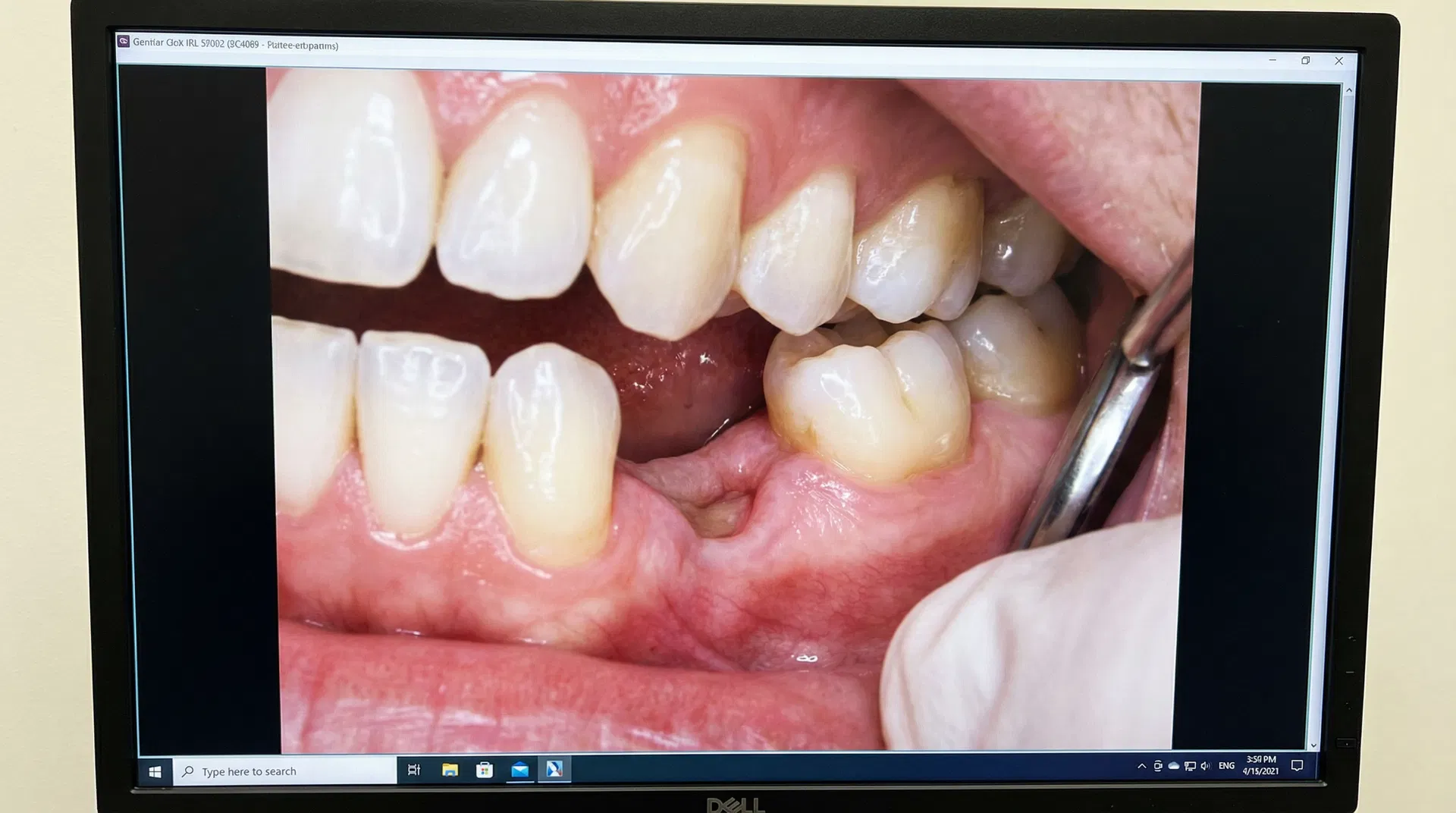
- A small incision is made to expose the implant
- The abutment is attached to the implant
- The gum is sutured around the abutment
- The procedure typically takes 15-30 minutes
Recovery:
- Minimal discomfort (much less than implant placement)
- Slight swelling for 24-48 hours
- Sutures removed at 2 weeks
- You can resume normal activities immediately
- Temporary restoration is replaced with a temporary crown
What to Expect After Abutment Placement
First 24 Hours:
- Mild discomfort
- Slight swelling
- Possible sensitivity
First Week:
- Swelling decreases
- Pain is minimal
- You can eat soft foods
- Temporary crown functions well
Weeks 2-4:
- Healing is nearly complete
- Sutures are removed
- You can resume normal diet
- You're ready for crown fabrication
Phase 4: Crown Fabrication (6-9 Months)
The Crown Fabrication Process
After abutment placement, your custom crown is fabricated:
Step 1: Impression
- A detailed impression of your abutment is taken
- This captures the exact shape and position
Step 2: Design
- Our laboratory technician designs your crown
- Color and shape are matched to your natural teeth
- The design is reviewed for proper fit and aesthetics
Step 3: Fabrication
- Your crown is fabricated from zirconia (recommended) or other materials
- Multiple layers are built up to create strength and aesthetics
- The crown is carefully shaped and polished
Step 4: Quality Check
- The crown is inspected for proper fit, color, and shape
- Any adjustments are made
- The crown is ready for placement
Timeline for Crown Fabrication
- Impression to delivery: Typically 2-3 weeks
- During this time: You wear a temporary crown
- Temporary crown: Protects the abutment and allows you to function normally
Phase 5: Crown Placement (9-12 Months)
The Crown Placement Procedure
Procedure:
- Local anesthesia is administered (usually not needed, but available)
- The temporary crown is removed
- The permanent crown is tried in to check fit and bite
- Adjustments are made if necessary
- The crown is permanently cemented or screwed onto the abutment
- Your bite is checked to ensure proper contact
Duration:
- The procedure typically takes 30-60 minutes
What to Expect After Crown Placement
First 24 Hours:
- Your bite may feel slightly different
- Minimal discomfort
- You can eat soft foods
First Week:
- You're adjusting to your new tooth
- Bite feels more natural
- You can eat most foods
- Sensitivity decreases
Weeks 2-4:
- Your new tooth feels completely natural
- You can eat all foods normally
- The implant is fully functional
- You've completed your implant journey!
Long-Term Care and Maintenance
Daily Care
Brushing:
- Brush twice daily with a soft-bristled toothbrush
- Brush around the crown and abutment gently
- Use normal toothpaste (avoid abrasive whitening toothpastes)
Flossing:
- Floss daily around the implant crown
- Use special floss threaders if needed
- Gently curve the floss around the abutment
Mouthwash:
- Use antimicrobial mouthwash daily
- This helps prevent bacterial growth
Professional Care
Regular Checkups:
- Visit Dr. Nurein every 6 months
- Professional cleanings help maintain implant health
- Early detection of any issues
Avoid:
- Smoking (significantly reduces implant longevity)
- Chewing on hard objects (ice, hard candy, pens)
- Using your implant to open packages or bottles
- Excessive force or trauma to the area
Lifespan of Your Implant
The Implant:
- With proper care, your implant can last a lifetime
- Success rate is 95-98% at 10 years
- Most implants last 20+ years
The Crown:
- The crown typically lasts 10-15 years
- It may eventually need replacement due to wear
- Replacement is straightforward and doesn't affect the implant
Common Questions About Implant Recovery
"Will I be able to eat normally?"
Yes. After the crown is placed, you can eat all foods normally. During osseointegration, stick to soft foods.
"How much time off work will I need?"
Most patients take 3-5 days off for the initial surgery. You can return to desk work after a few days. Strenuous work should be avoided for 2 weeks.
"Will I have visible scarring?"
No. The incision is made inside your mouth, and healing is excellent. There are no visible scars.
"Can I smoke after implant placement?"
Smoking significantly impairs osseointegration and reduces implant success rates. We strongly recommend quitting, at least during the osseointegration period.
"What if I experience excessive pain?"
Some discomfort is normal, but excessive pain may indicate a problem. Contact Dr. Nurein immediately if you experience:
- Severe, unmanageable pain
- Swelling that worsens after 3 days
- Fever or signs of infection
- Implant mobility
Your Implant Recovery Timeline at a Glance
| Phase | Duration | Key Milestones |
|---|---|---|
| Surgery | Day 1 | Implant placed, initial recovery |
| Immediate Recovery | Days 1-7 | Pain and swelling peak, then decrease |
| Early Healing | Weeks 1-4 | Sutures removed, return to light activities |
| Osseointegration | Months 1-6 | Bone integrates with implant |
| Abutment Placement | Month 6-9 | Abutment attached, temporary crown |
| Crown Fabrication | Weeks 2-3 | Custom crown created |
| Crown Placement | Month 9-12 | Permanent crown placed, implant complete |
| Long-Term | Years 1+ | Maintenance and regular checkups |
Conclusion
Dental implant recovery is a journey, not a sprint. While the timeline from surgery to final crown is typically 9-12 months, the investment of time pays off with a restoration that can last a lifetime.
By following Dr. Ahmed Nurein's post-operative instructions, maintaining excellent oral hygiene, and attending all scheduled appointments, you'll ensure the best possible outcome for your implant.
Ready to start your implant journey? Schedule a consultation with Dr. Ahmed Nurein at:
- Malindi: +254 719 666 664 | [email protected]
- Watamu: +254 710 911 999 | [email protected]
- WhatsApp: +254 740 580 088
Dr. Ahmed Nurein is a periodontist and dental implant specialist with expertise in implant placement and restoration. Visit us at Star Specialist Hospital in Malindi or Watamu Reef Clinic in Watamu.
Share This Article
Help others discover valuable dental health information
About Dr. Ahmed Nurein
Dr. Ahmed Nurein is a periodontist and dental implant specialist with a BDS from the University of Nairobi and an MSc in Periodontology from Marmara University, Istanbul. He is a member of the Cambridge Academy of Dental Implantology and practices at Star Specialist Hospital in Malindi and Watamu Reef Clinic in Watamu, Kenya.
Schedule a consultation →Related Articles
Ready to Transform Your Smile?
Contact Dr. Ahmed Nurein today to discuss your dental implant options.
Book Consultation