Complete Guide to Dental Implant Care and Maintenance
Complete Guide to Dental Implant Care and Maintenance
Dental implants are one of the most successful tooth replacement options available, with success rates exceeding 95% when properly placed and maintained. However, like natural teeth, implants require consistent care and attention to ensure they remain healthy and functional for decades.
Many patients invest significant time and resources into getting dental implants, but then neglect the maintenance that keeps them healthy. In this comprehensive guide, Dr. Ahmed Nurein explains everything you need to know about implant care and maintenance.
Why Implant Care Matters
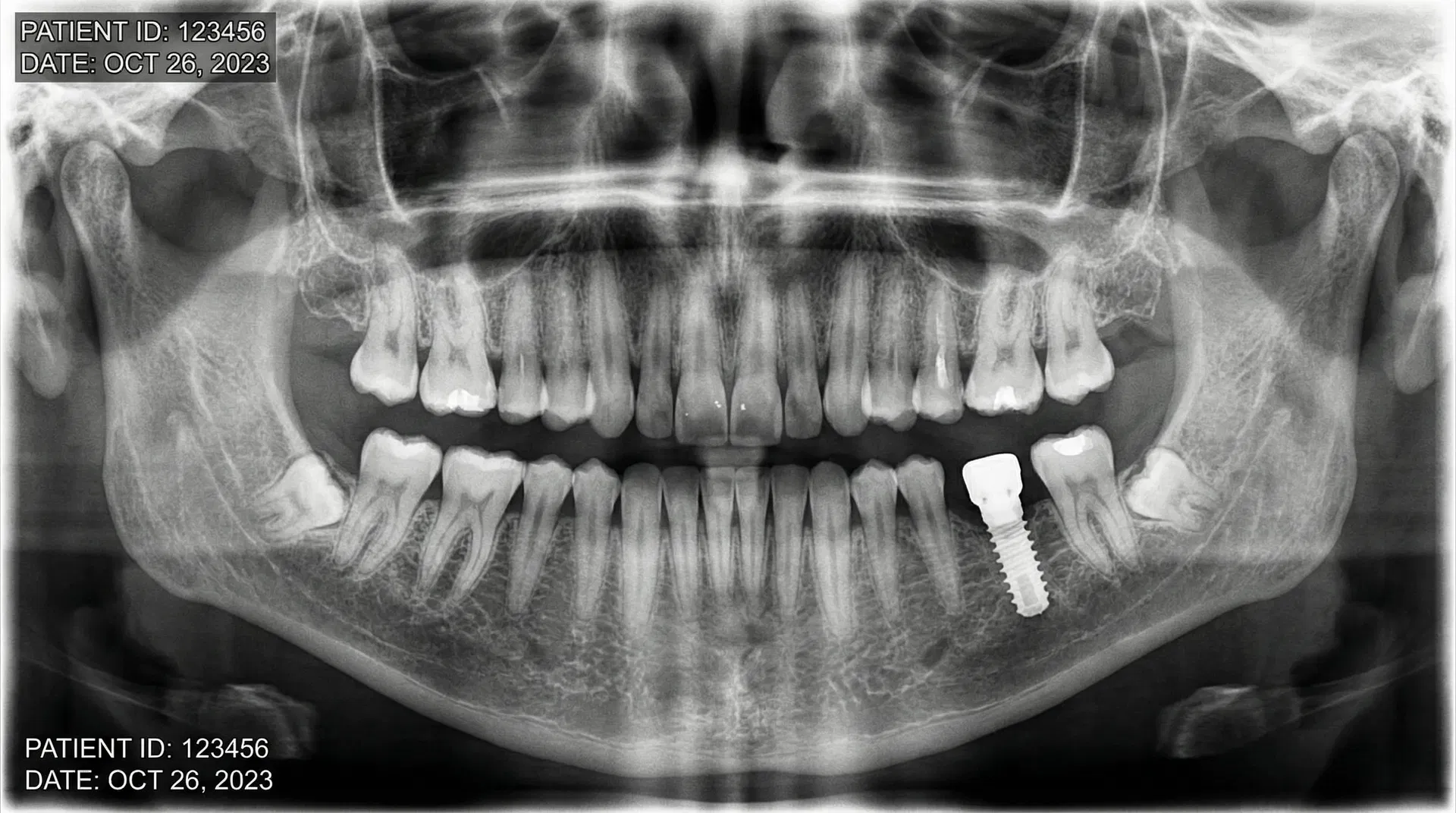
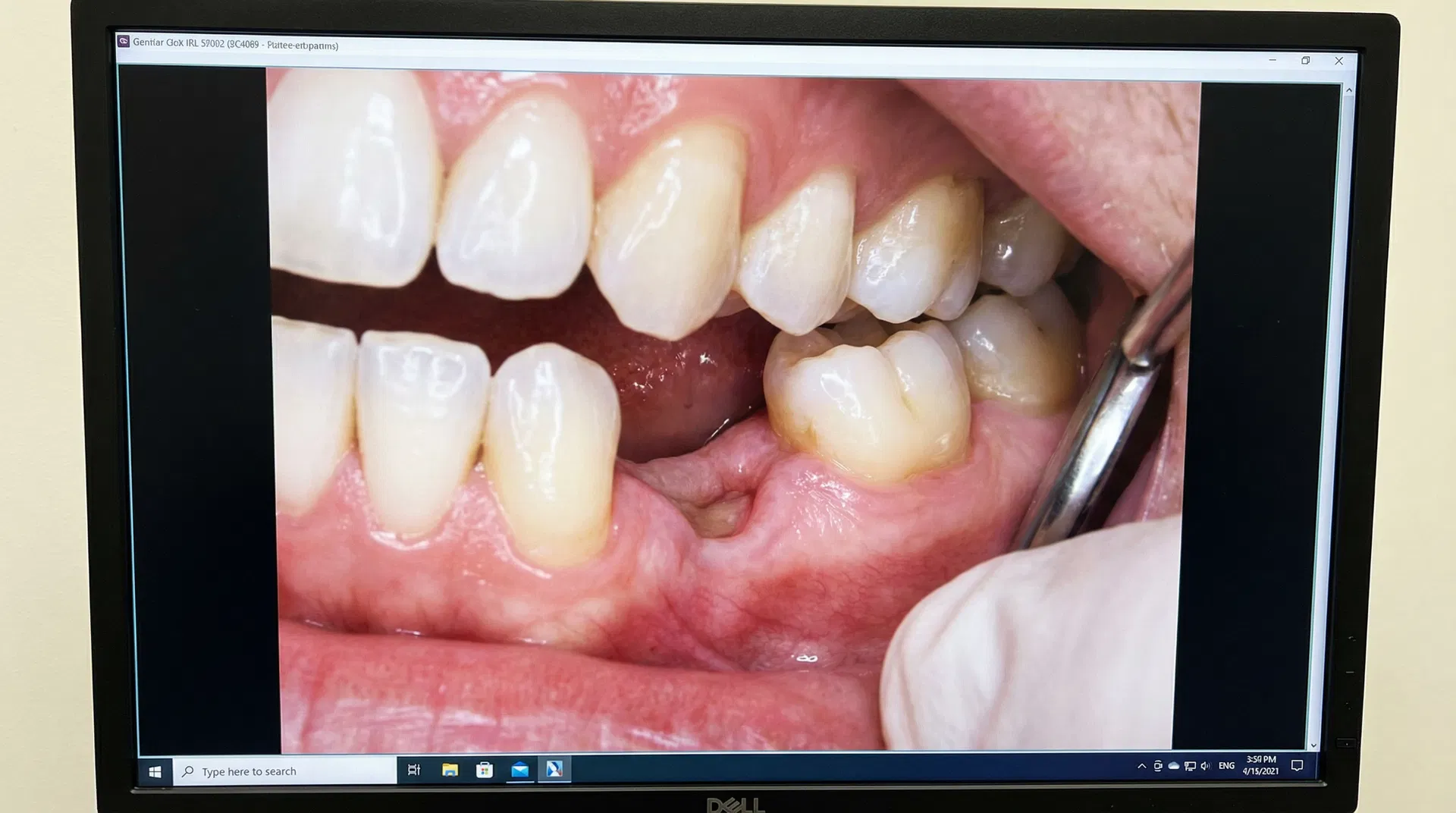
Your dental implant consists of three components: the titanium post (implant) embedded in your jawbone, the abutment (connector), and the crown (visible tooth). While the titanium implant itself cannot develop cavities, the tissues surrounding it can develop disease, and the crown can deteriorate without proper care.
Peri-implantitis, a condition similar to gum disease, is the leading cause of implant failure. This inflammatory condition develops when bacteria accumulate around the implant, causing bone loss and eventual implant failure. The good news is that peri-implantitis is largely preventable with proper care.
Daily Implant Care Routine
Brushing Your Implant
Brushing your implant crown is similar to brushing natural teeth, but requires a gentle approach:
Best Practices:
- Use a soft-bristled toothbrush (never hard-bristled)
- Brush at least twice daily, preferably after meals
- Use gentle, circular motions rather than aggressive scrubbing
- Pay special attention to the gum line where the implant meets the gum tissue
- Brush for at least two minutes
- Use fluoride toothpaste to strengthen the crown
What to Avoid:
- Don't use abrasive toothpastes that can scratch the crown
- Avoid electric toothbrushes with oscillating heads (use gentle vibration types instead)
- Don't apply excessive pressure
- Never use the implant to open packages or bite hard objects
Flossing Around Your Implant
Flossing is even more important for implants than for natural teeth, as it removes food particles and bacteria from areas your toothbrush cannot reach.
Flossing Techniques:
- Use unwaxed tape or implant-specific floss (gentler than traditional floss)
- Gently slide the floss between the implant and adjacent teeth
- Curve the floss around the implant in a C-shape
- Move the floss up and down gently, never forcing it
- Be thorough but gentle—you may see slight bleeding initially, but this should improve with consistent care
Alternative Options:
- Water flossers are excellent for implants and easier to use than traditional floss
- Interdental brushes can clean spaces between teeth and implants
- Oral irrigators help remove debris from hard-to-reach areas
Using Antimicrobial Mouthwash
Antimicrobial mouthwash helps reduce harmful bacteria around your implant:
- Use an alcohol-free antimicrobial rinse
- Rinse for 30-60 seconds after brushing and flossing
- Use daily to maintain healthy implant tissues
- Chlorhexidine rinse may be recommended after surgery or if inflammation develops
Professional Implant Maintenance
Regular Dental Visits
Professional care is essential for implant health:
Recommended Schedule:
- Visit Dr. Nurein every 3-6 months (more frequently than natural teeth)
- More frequent visits if you have risk factors (smoking, diabetes, history of gum disease)
- Annual 3D imaging to monitor bone levels
- Professional cleaning to remove tartar and plaque
What Happens During Professional Visits:
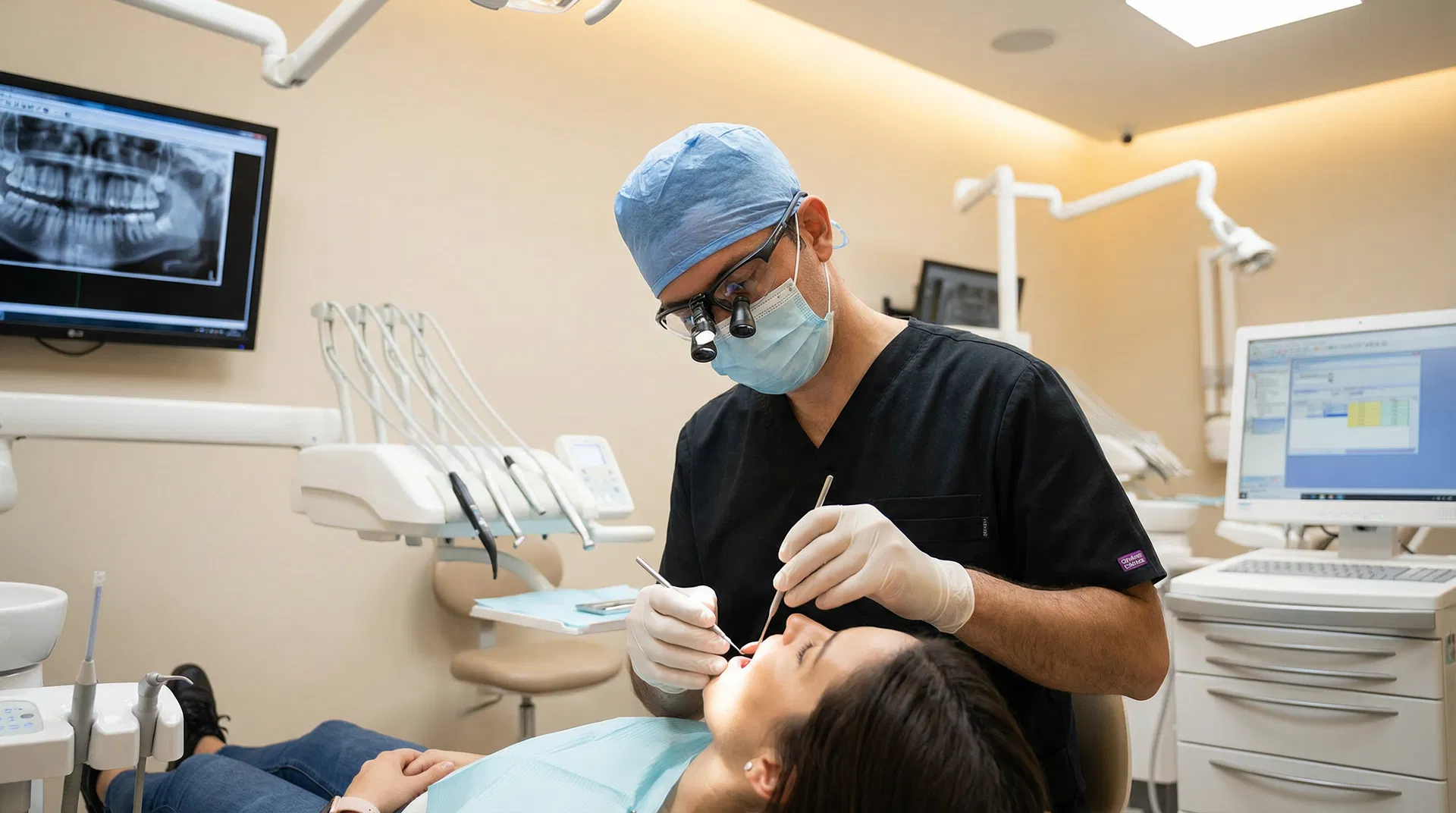
- Examination of the implant crown and surrounding tissues
- Measurement of gum pockets to detect early signs of disease
- Professional cleaning with special instruments that won't damage the implant
- Assessment of bite and crown condition
- Review of your home care routine
- Discussion of any concerns or changes
Professional Cleaning Techniques
Dr. Nurein uses specialized techniques to clean implants without causing damage:
- Titanium or plastic instruments (never metal scalers that can scratch the implant)
- Ultrasonic scalers on low settings
- Air polishing with special powders safe for implants
- Careful technique to avoid damaging the implant surface
Foods and Habits to Avoid
Hard and Sticky Foods
While implant crowns are strong, they can be damaged by excessive force:
Foods to Avoid:
- Hard candies and nuts
- Sticky foods like caramel or taffy
- Ice (never chew ice)
- Hard bread crusts or bagels
- Bones in meat
- Chewing gum
Safe Eating Tips:
- Cut hard foods into small pieces
- Chew on the opposite side of your mouth if possible
- Eat slowly and mindfully
- Avoid using your implant as a tool
Smoking and Tobacco Use
Smoking is one of the most damaging habits for implant health:
Why Smoking Harms Implants:
- Reduces blood flow to healing tissues
- Impairs immune function
- Increases bacterial growth
- Increases risk of peri-implantitis by 4-6 times
- Causes bone loss around the implant
- Can lead to implant failure
Recommendation: Quit smoking before implant placement and maintain abstinence after. If you currently smoke, discuss cessation strategies with Dr. Nurein.
Alcohol and Acidic Beverages
Alcohol and acidic drinks can affect implant health:
- Excessive alcohol weakens immune function
- Acidic beverages (soda, wine, citrus juices) can erode the crown
- Limit acidic drinks and rinse your mouth with water after consuming them
- Avoid using acidic beverages as a mouthwash
Managing Bruxism (Teeth Grinding)
If you grind your teeth, your implant is at increased risk:
Signs of Bruxism:
- Worn tooth surfaces
- Jaw pain or soreness
- Headaches upon waking
- Damaged crowns or fillings
- Partner reports hearing grinding sounds
Protective Measures:
- Wear a night guard to protect your implant from grinding forces
- Stress reduction techniques (meditation, exercise, therapy)
- Avoid stimulants before bed (caffeine, alcohol)
- Discuss with Dr. Nurein if you suspect bruxism
Warning Signs Requiring Immediate Attention
Contact Dr. Nurein immediately if you experience:
Implant-Specific Concerns:
- Implant feels loose or mobile
- Severe pain around the implant
- Swelling or inflammation around the implant
- Bleeding or pus around the implant
- Difficulty chewing or bite problems
- Visible damage to the crown
- Persistent bad breath or taste
- Recession of gum tissue around the implant
General Oral Concerns:
- Fever or systemic symptoms
- Difficulty opening your mouth
- Numbness or tingling
- Changes in your bite
Implant Care for Special Situations
After Implant Placement
The first few months are critical:
First Week:
- Avoid brushing the surgical area
- Rinse gently with warm salt water (after meals)
- Follow all post-operative instructions
- Take prescribed antibiotics as directed
- Avoid hard, hot, or sticky foods
Weeks 2-4:
- Begin gentle brushing around the implant
- Continue salt water rinses
- Avoid strenuous activity
- Attend all follow-up appointments
Months 2-6:
- Gradually return to normal oral hygiene
- Continue professional monitoring
- Avoid heavy chewing on the implant side
- Wait for Dr. Nurein's approval before normal use
After Crown Placement
Once your crown is placed, normal care can resume:
- Wait 24 hours before eating hard foods
- Gradually return to normal diet
- Begin normal brushing and flossing
- Schedule regular professional visits
- Monitor for any discomfort or problems
Multiple Implants
If you have multiple implants:
- Each implant requires the same careful care
- Interdental brushes are particularly useful
- Water flossers are excellent for multiple implants
- Professional visits remain essential
- Risk of peri-implantitis increases with multiple implants
Nutrition for Implant Health
Proper nutrition supports implant health and longevity:
Nutrients for Bone Health:
- Calcium: Dairy products, leafy greens, fortified foods
- Vitamin D: Fatty fish, egg yolks, sunlight exposure
- Protein: Meat, fish, legumes, dairy
- Vitamin C: Citrus fruits, berries, vegetables
- Magnesium: Nuts, seeds, whole grains
Foods That Support Healing:
- Soft proteins (fish, eggs, yogurt)
- Bone broth (collagen and minerals)
- Leafy greens (vitamins and minerals)
- Berries (antioxidants)
- Nuts and seeds (minerals)
Your Implant Care Timeline
First Year:
- Month 1: Post-operative care and healing
- Month 3: Crown placement and adjustment
- Month 6: First professional cleaning and assessment
- Month 12: Annual exam and imaging
Years 2-10:
- Every 3-6 months: Professional cleanings
- Annually: Comprehensive exam and imaging
- As needed: Crown adjustments or repairs
Years 10+:
- Continue regular professional visits
- Monitor for any changes
- Address any problems promptly
- Plan for eventual crown replacement (typically 10-15 years)
Common Implant Care Questions
Q: Can I use regular toothpaste on my implant? A: Yes, but avoid abrasive toothpastes. Use gentle, non-abrasive formulas designed for implants or sensitive teeth.
Q: Is it normal for my implant to feel different from my natural teeth? A: Yes. Implants don't have the same sensory nerves as natural teeth, so they feel slightly different. This is normal and improves over time.
Q: How long do dental implants last? A: With proper care, implants can last 25-30 years or longer. Some implants last a lifetime. The crown typically needs replacement every 10-15 years.
Q: What happens if my implant fails? A: If an implant fails, Dr. Nurein can remove it and place a new one. Early detection and treatment of problems prevents most failures.
Q: Can I get peri-implantitis if I don't have natural teeth? A: Yes. Peri-implantitis can develop around implants even if you don't have natural teeth. Proper implant care is essential.
Conclusion
Dental implants are a remarkable investment in your smile and oral health. By following these care guidelines and maintaining regular professional visits with Dr. Ahmed Nurein, you can ensure your implants remain healthy and functional for decades.
Remember: implant care is not complicated, but it is important. Consistent daily care and regular professional maintenance are the keys to implant success.
Ready to learn more about implant care? Schedule a consultation with Dr. Ahmed Nurein at:
- Malindi: +254 719 666 664 | [email protected]
- Watamu: +254 710 911 999 | [email protected]
- WhatsApp: +254 740 580 088
Dr. Ahmed Nurein is a periodontist and dental implant specialist with extensive expertise in implant placement, maintenance, and problem-solving. Visit us at Star Specialist Hospital in Malindi or Watamu Reef Clinic in Watamu.
Share This Article
Help others discover valuable dental health information
About Dr. Ahmed Nurein
Dr. Ahmed Nurein is a periodontist and dental implant specialist with a BDS from the University of Nairobi and an MSc in Periodontology from Marmara University, Istanbul. He is a member of the Cambridge Academy of Dental Implantology and practices at Star Specialist Hospital in Malindi and Watamu Reef Clinic in Watamu, Kenya.
Schedule a consultation →Related Articles
Ready to Transform Your Smile?
Contact Dr. Ahmed Nurein today to discuss your dental implant options.
Book Consultation