How to Prevent Periodontal Disease: A Comprehensive Guide to Gum Health
How to Prevent Periodontal Diseasese: A Comprehensive Guide to Gum Health
Periodontal disease, commonly known as gum disease, is one of the most prevalent oral health conditions affecting millions of people worldwide. Yet, it's also one of the most preventable. At Dr. Ahmed Nurein's practice in Malindi and Watamu, we believe that education and prevention are the keys to maintaining healthy gums and teeth for life.
In this comprehensive guide, we'll explore what periodontal disease is, why it matters, and most importantly, how you can prevent it.
What is Periodontal Disease?
Periodontal disease is an infection of the tissues that support your teeth, including the gums, bone, and periodontal ligament. It develops in stages:
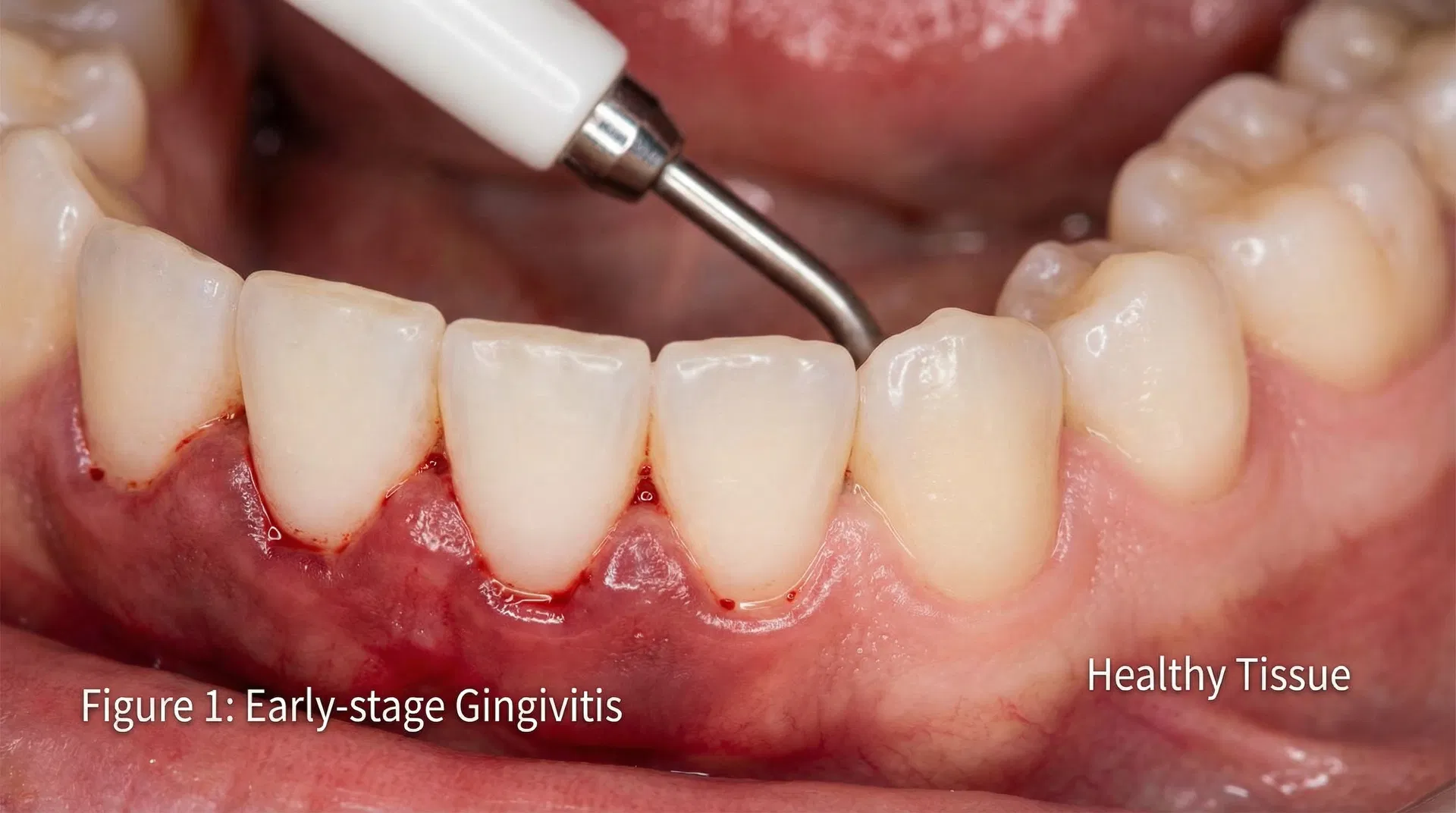
Stage 1: Gingivitis
The earliest stage of gum disease, characterized by:
- Red, swollen gums
- Bleeding when brushing or flossing
- Bad breath
- Gums that pull away from teeth
The good news? Gingivitis is completely reversible with proper oral hygiene and professional treatment.
Stage 2: Periodontitis
If gingivitis is left untreated, it progresses to periodontitis, where:
- The infection spreads below the gum line
- Bone loss begins
- Pockets form between teeth and gums
- Teeth may become loose or shift
At this stage, professional intervention from a periodontist like Dr. Ahmed Nurein is essential.
Why Preventing Gum Disease Matters
Many patients don't realize how serious periodontal disease can be. Beyond tooth loss, untreated gum disease is linked to:
- Heart disease: Bacteria from infected gums can enter the bloodstream
- Diabetes: Gum disease makes blood sugar control more difficult
- Respiratory infections: Oral bacteria can be inhaled into the lungs
- Pregnancy complications: Pregnant women with gum disease face higher risks
- Bone loss: Periodontal disease destroys the bone supporting your teeth
This is why prevention is so critical—it protects not just your smile, but your overall health.
The Essential Steps to Prevent Periodontal Disease
1. Master Your Brushing Technique
How you brush is just as important as how often:
- Brush twice daily: Morning and before bed, for at least 2 minutes
- Use a soft-bristled toothbrush: Hard bristles can damage gums
- Angle at 45 degrees: Hold your toothbrush at a 45-degree angle to your gum line
- Gentle circular motions: Use small, gentle circles rather than aggressive scrubbing
- Don't forget the gum line: This is where plaque accumulates
- Replace your toothbrush every 3 months: Worn bristles are less effective
Pro Tip: Consider an electric toothbrush. Studies show they're more effective at removing plaque than manual brushing.
2. Floss Daily—It's Non-Negotiable
Brushing alone only cleans 60% of your tooth surfaces. Flossing is essential:
- Floss at least once daily: Preferably before bed
- Use proper technique: Gently slide floss between teeth and curve it around the tooth
- Don't snap the floss: This can damage gums
- Consider alternatives: Water flossers or interdental picks work if traditional floss is difficult
If your gums bleed when you first start flossing, don't be alarmed—this usually stops within a week as gums heal.
3. Use an Antimicrobial Mouthwash
A therapeutic mouthwash can help reduce bacteria:
- Look for chlorhexidine or essential oil formulations: These have proven antimicrobial properties
- Use after brushing and flossing: This maximizes effectiveness
- Don't rely on it alone: Mouthwash is a supplement, not a replacement for brushing and flossing
4. Maintain a Gum-Healthy Diet
What you eat directly impacts your gum health:
Foods that promote gum health:
- Leafy greens (calcium and vitamin C)
- Fatty fish (omega-3 fatty acids reduce inflammation)
- Crunchy vegetables (natural cleaning action)
- Citrus fruits (vitamin C strengthens connective tissue)
- Green tea (contains polyphenols that fight bacteria)
Foods to avoid or limit:
- Sugary snacks and drinks (feed harmful bacteria)
- Sticky foods (cling to teeth and gums)
- Hard foods (can damage gums)
- Acidic beverages (weaken tooth enamel)
5. Quit Smoking
Smoking is one of the most significant risk factors for periodontal disease:
- Smoking weakens your immune system's ability to fight infection
- It reduces blood flow to gums, slowing healing
- Smokers are 3-6 times more likely to develop gum disease
- Smoking also reduces the success rate of periodontal treatment
If you smoke, quitting is one of the most impactful steps you can take for your oral health.
6. Manage Stress
Chronic stress suppresses your immune system, making you more susceptible to infection:
- Practice relaxation techniques: meditation, yoga, or deep breathing
- Exercise regularly: Physical activity reduces stress and improves circulation
- Get adequate sleep: 7-9 hours nightly supports immune function
- Seek support: Talk to friends, family, or a counselor if stress is overwhelming
7. Control Underlying Health Conditions
Certain conditions increase gum disease risk:
- Diabetes: High blood sugar impairs immune function. Work with your doctor to maintain good control
- Hormonal changes: Pregnancy and menopause increase gum sensitivity. Extra care is needed during these times
- Autoimmune disorders: Discuss gum health strategies with both your doctor and dentist
8. Schedule Regular Professional Cleanings
Even with perfect home care, professional cleanings are essential:
- Visit your dentist every 6 months: For routine cleanings and early detection
- More frequent visits if at risk: If you have gum disease risk factors, ask about 3-4 month intervals
- Professional scaling and root planing: If early signs of gum disease appear, this deep cleaning can reverse it
At Dr. Ahmed Nurein's clinics in Malindi and Watamu, we use advanced techniques to detect and treat gum disease in its earliest stages.
Warning Signs You Should See a Periodontist
Contact Dr. Ahmed Nurein immediately if you notice:
- Gums that bleed easily or persistently
- Red, swollen, or tender gums
- Gums that pull away from teeth
- Persistent bad breath or bad taste
- Loose or shifting teeth
- Changes in your bite
- Pus between teeth and gums
Early intervention can prevent progression and save your teeth.
The Role of Professional Periodontal Care
While home care is essential, professional periodontal treatment is sometimes necessary:
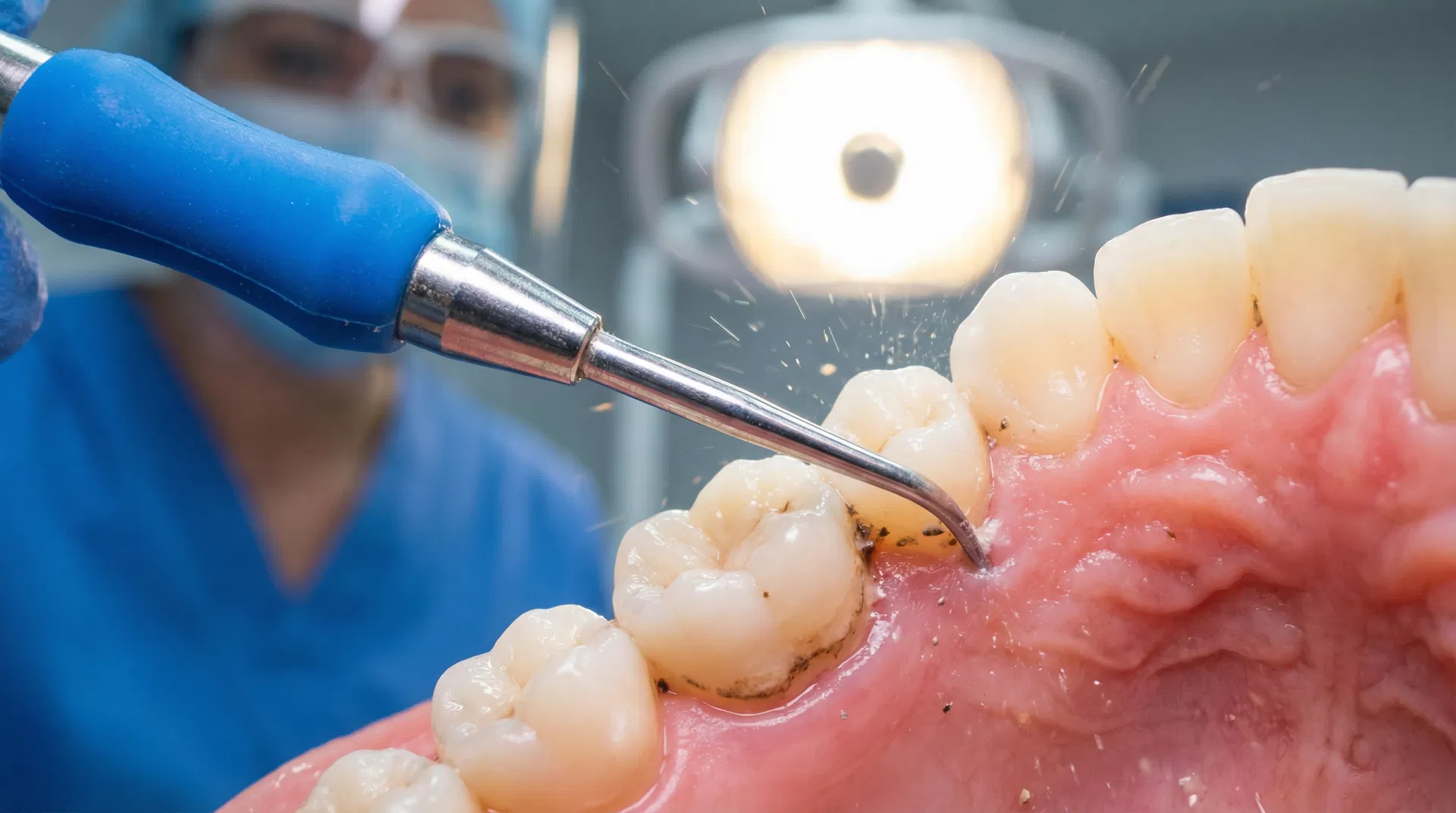
Scaling and Root Planing
A deep cleaning procedure that removes plaque and tartar below the gum line and smooths root surfaces to promote healing.
Periodontal Surgery
In advanced cases, surgical intervention may be needed to:
- Reduce pocket depth
- Regenerate lost bone
- Graft gum tissue
Maintenance Therapy
After treatment, regular professional cleanings (every 3-4 months) help prevent recurrence.
Periodontal Disease and Dental Implants
If you've lost teeth to periodontal disease, dental implants offer an excellent solution. However, it's crucial to:
- Treat the underlying gum disease before implant placement
- Maintain excellent oral hygiene after implant placement
- Attend regular follow-up appointments
- Watch for signs of peri-implantitis (gum disease around implants)
At our practice, Dr. Ahmed Nurein ensures that patients are ready for implants and have the tools to maintain them for life.
Your Periodontal Health Action Plan
Starting today, commit to:
- This week: Evaluate your current oral hygiene routine. Are you brushing and flossing correctly?
- This month: Schedule a professional cleaning if it's been more than 6 months
- This quarter: Make dietary changes to support gum health
- Ongoing: Maintain consistent home care and professional visits
Conclusion
Periodontal disease is preventable. By following these evidence-based strategies and maintaining regular professional care, you can keep your gums healthy and your teeth for life.
Remember: Your gums are the foundation of your smile. Invest in their health today, and you'll enjoy the benefits for decades to come.
Ready to take control of your gum health? Schedule a consultation with Dr. Ahmed Nurein at:
- Malindi: +254 719 666 664 | [email protected]
- Watamu: +254 710 911 999 | [email protected]
- WhatsApp: +254 740 580 088
Dr. Ahmed Nurein is a periodontist and dental implant specialist with expertise in gum disease prevention and treatment. Visit us at Star Specialist Hospital in Malindi or Watamu Reef Clinic in Watamu.
Share This Article
Help others discover valuable dental health information
About Dr. Ahmed Nurein
Dr. Ahmed Nurein is a periodontist and dental implant specialist with a BDS from the University of Nairobi and an MSc in Periodontology from Marmara University, Istanbul. He is a member of the Cambridge Academy of Dental Implantology and practices at Star Specialist Hospital in Malindi and Watamu Reef Clinic in Watamu, Kenya.
Schedule a consultation →Related Articles
Ready to Transform Your Smile?
Contact Dr. Ahmed Nurein today to discuss your dental implant options.
Book Consultation